

"From the Screen to the Collective Memory"

Between Event and Image: "Speak Without Hesitation"

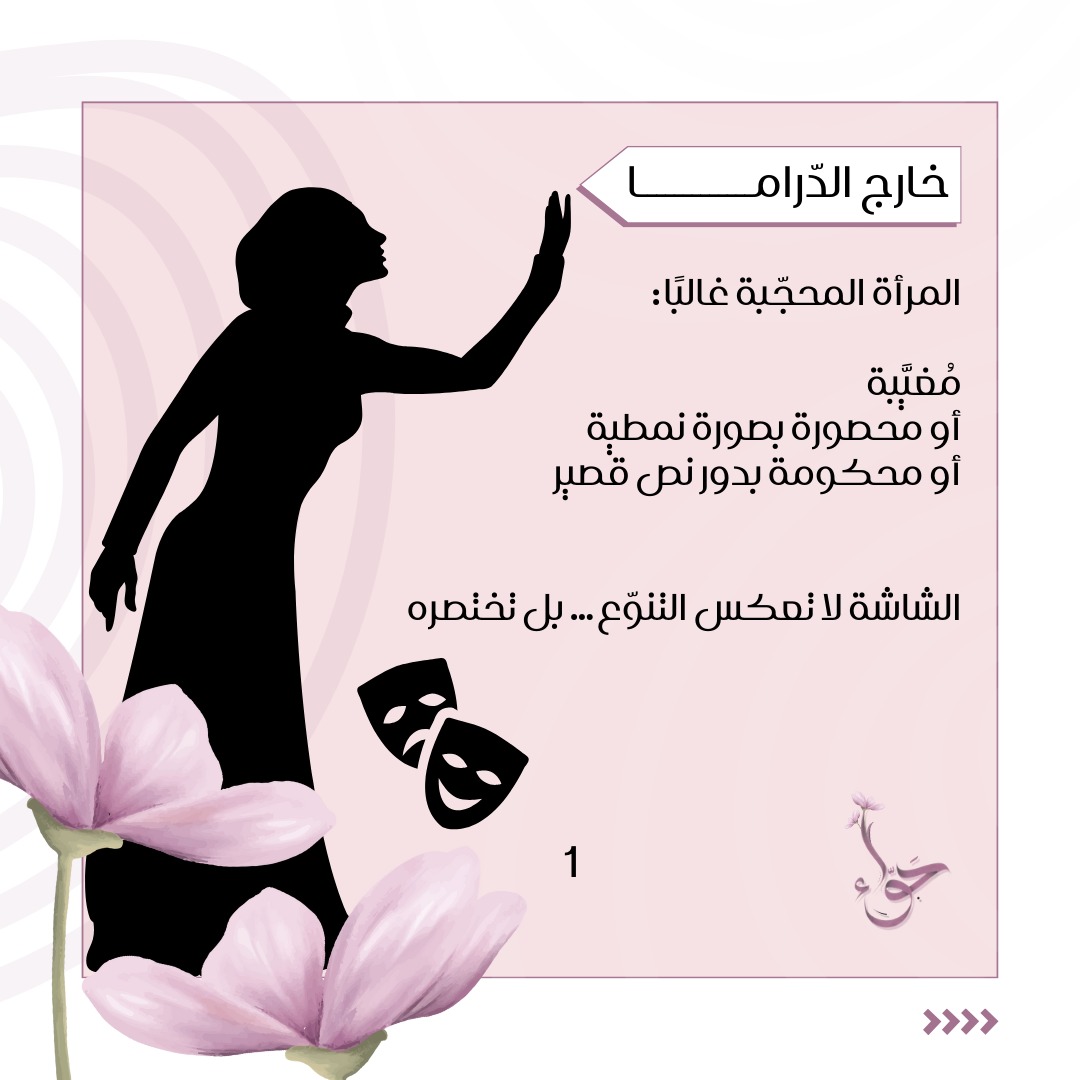
In the Lebanese drama scene, the portrayal of the veiled woman is a pre-drawn image, ready for display. She is judged by the frame, the angle, and the script—from the character presented to the role granted as an "opportunity" to enter the artistic arena. Yet, this can be a "curse" for the veiled woman herself, who finds nothing in these roles that truly represents her except the image of a "weak" woman. The text is written for her as if destiny dictates she must be bound by a veil imposed by religious or family constraints. The turning point usually begins when she decides to "liberate" herself by removing the veil and overcoming traditions, often ending in a tragic finale that angers the audience: the character's death at the hands of a family member.The story ends after thirty episodes, but it does not end at the closing credits. When this image is repeated, it does not remain confined to the screen; it moves into memory, into the collective imagination, and into society's view of the veiled woman—and her view of herself. The story becomes an unspoken lesson and a hidden message about what is permitted, what is punished, who has the right to survive, and who is destined to pay the price.

The most important question here is not about her presence as an idea or a symbol, but as a complete human being representing a large segment of Lebanese society. She has a role and a presence that cannot be erased by a screen, a text, or a directorial vision filmed based on the whims of a writer or specific agendas and narratives.

"هذا زمن الوصفات الجاهزة"

وهي جملة تفيد التعبير عن واقع الدراما اللبنانية وما تقدّمه من أدوار للمرأة المحجّبة

أحلام مستغانمي، الكاتبة والروائية الجزائرية
"This is the age of ready-made recipes." 

The Algerian writer and novelist Ahlam Mosteghanemi

This image was never just an artistic choice, but a narrative repeated without accountability until it became a given, treated as a truth requiring no explanation. Over time, the problem is no longer the image itself, but the absence of an alternative.

Elsewhere, away from dramatic cameras, many women have begun asking questions that were not allowed on screen. These voices do not seek shock value or tragic endings, but rather a space to speak—the simple right to be seen as they are, not as they are written.

One of these voices emerged from outside the script. She did not wait for a dramatic scene or recognition; she chose to speak in her own language, with her own image, on her own platform—where no frame defines the meaning and no text dictates the ending."Social media today has provided me with the full space to appear naturally as I am. Not to prove a certain fact to people, but on the contrary, to show the actual reality of who the veiled woman is: a cultured, educated, civilized woman who masters her work, understands fashion, and holds the highest positions. Today, what drama tries to portray about this woman is the exact opposite of reality. Therefore, I am not on social media to prove something, but simply to be my true self." — Israa Daamouch, on the difference between the woman on screen and the woman on social media.


إسراء دعموش - صانعة محتوى على منصات التواصل الاجتماعي

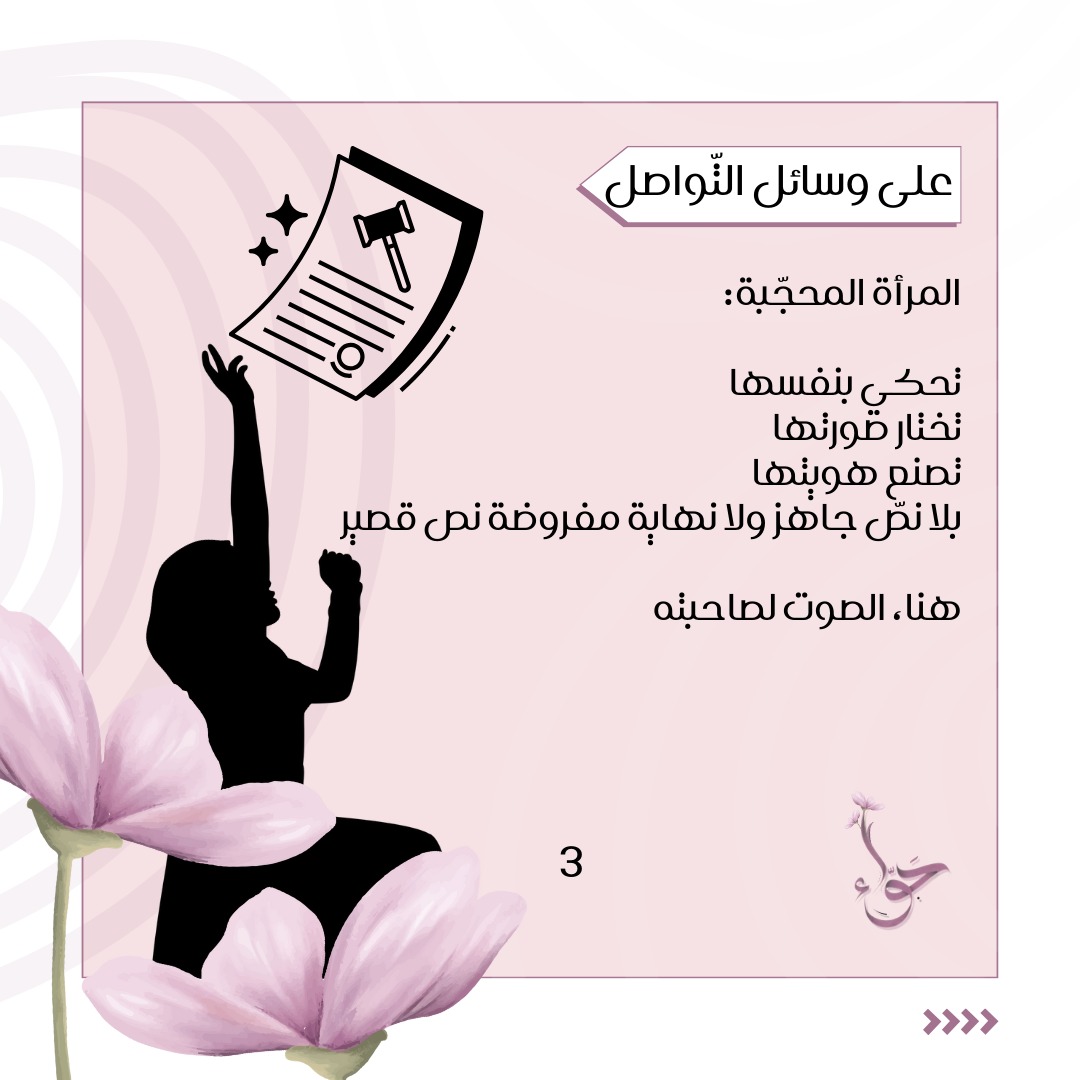
بين إمرأة محجّبة بالدّراما و إمرأة تصنع نفسها على وسائل التّواصل

Israa added: 'I am presenting Israa as she is, in her true image, in every video and story I post from my daily life. This is me, and this is my personality. Today, if anyone wants to build a real identity on social media, it is about who I am, the stories I believe in, my opinions, my orientations, and what I represent. To build a personal brand is to be your true self.'"

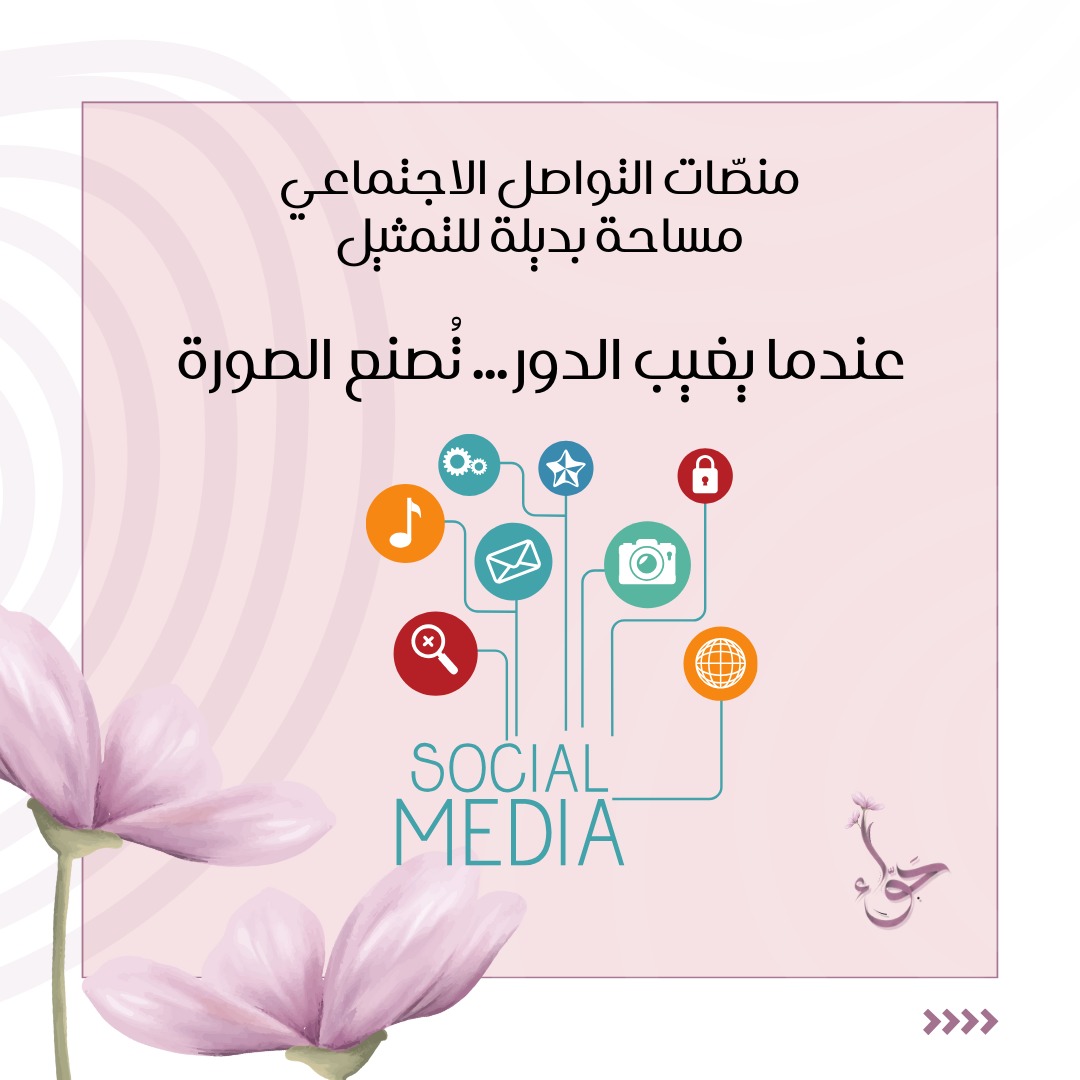
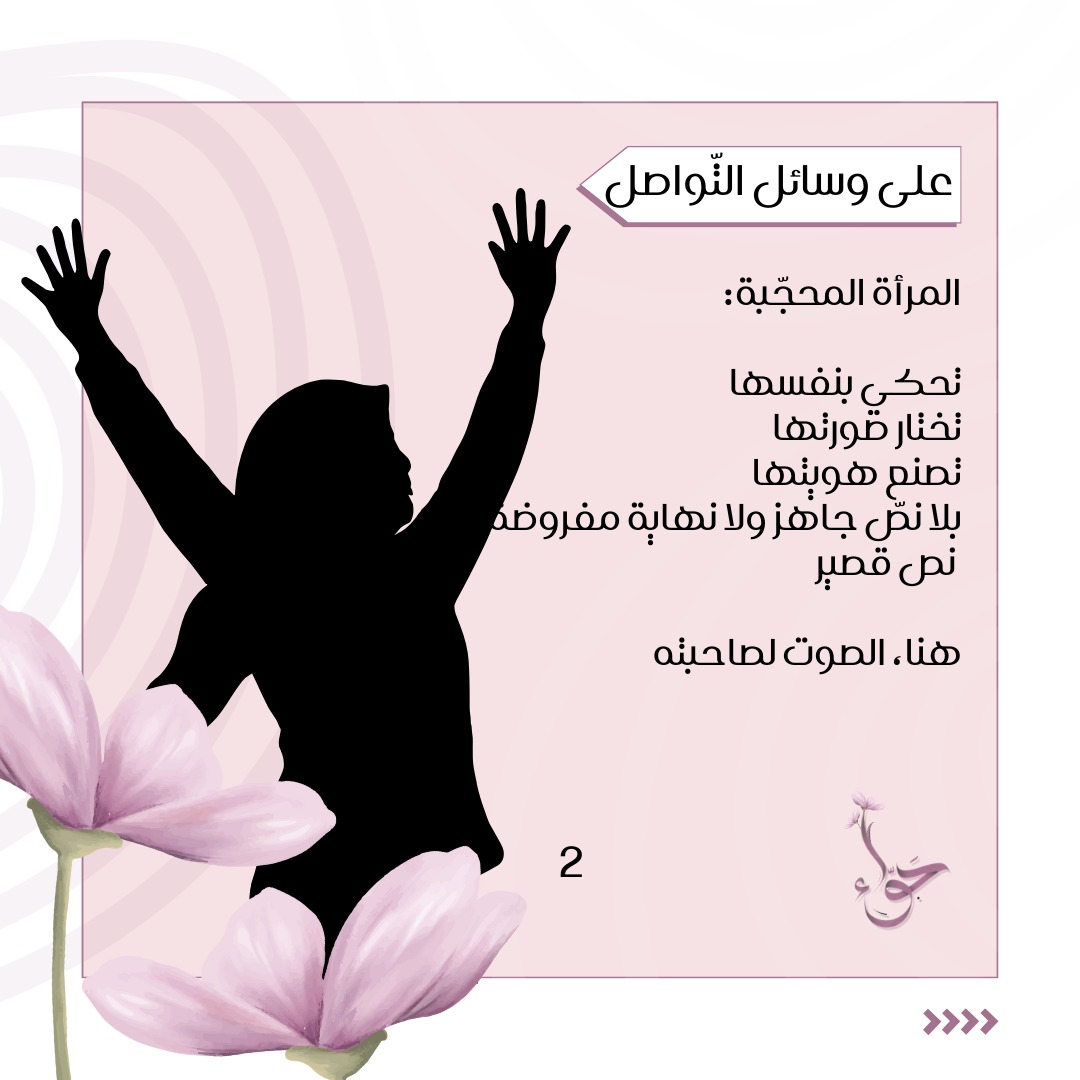
"Digital platforms have opened their doors and tools to everyone, without discrimination or distinction. On these platforms, roles are not granted and endings are not imposed, as viewers are accustomed to and as scripts have written. No one pre-writes the scene, nor does anyone decide when a character should break or when they should be punished. The image is captured by the owner's will, and the word is spoken without fear of the censor’s scissors or the audience's reaction.

إسراء دعموش - صانعة محتوى على منصات التواصل الاجتماعي

صناعة المحتوى | كيف تقدّم نفسها للجمهور

"This is what content creator Israa Daamouch said regarding the reality of the difference between a veiled woman portrayed according to a writer's script and a director's vision—governed by a beginning and an end—and a woman who crafts herself and her identity on social media platforms."

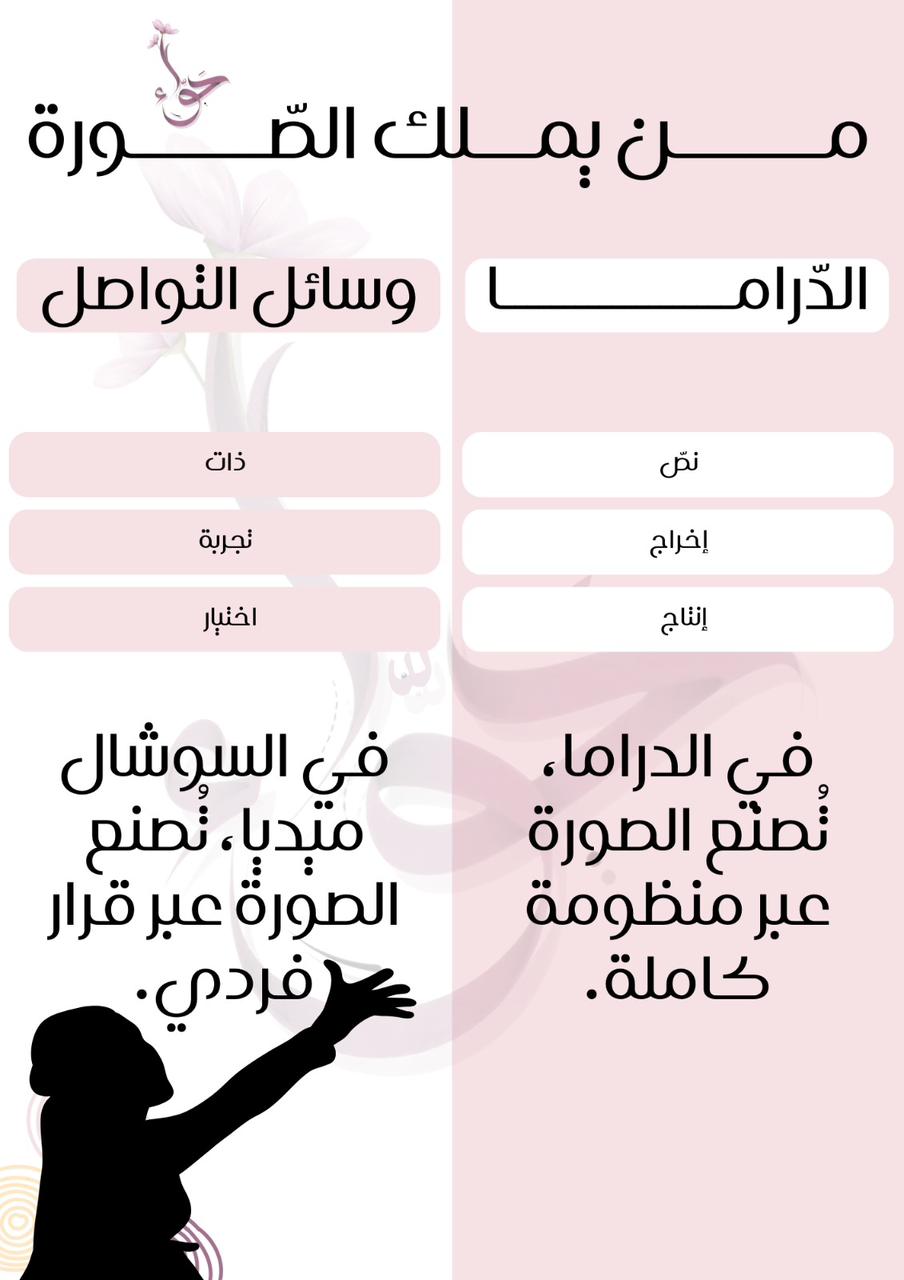
(كاروسيل وسائل التواصل الاجتماعي الفرق بينها وبين الدراما)

"In this space, the veiled woman is no longer merely a visual detail or a ready-made connotation; rather, she is a self that speaks of her own accord—about her work, her struggles, her choices, her contradictions, and her daily life, which resembles drama only to the extent that it resembles reality."

"Between the screen and the platform, the gap widens: a screen that reproduces a single image, and a platform that opens up countless possibilities."