"Series '2020' and 'A' Amal': Conditional Presence Within the Director's Plot"
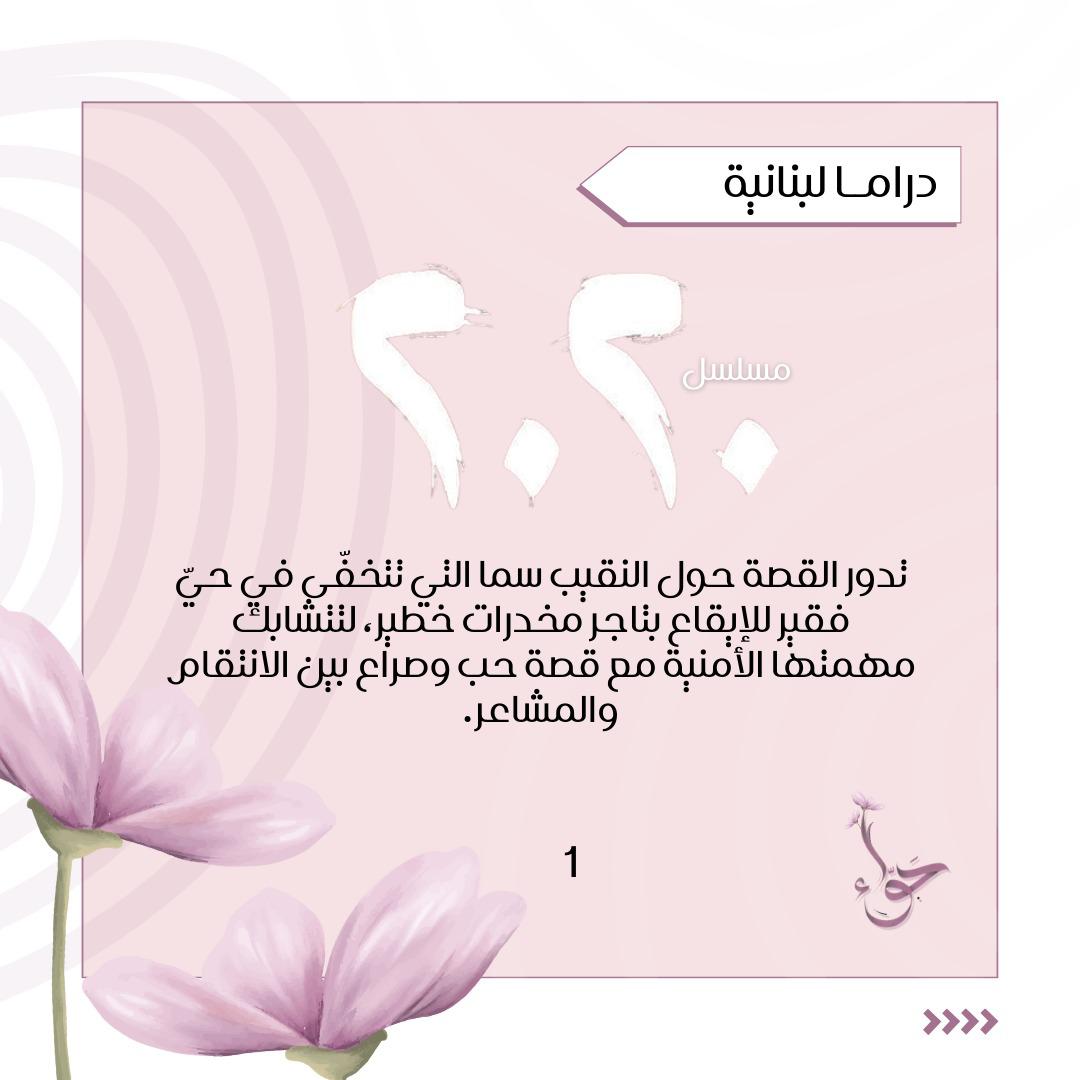
مسلسل 2020
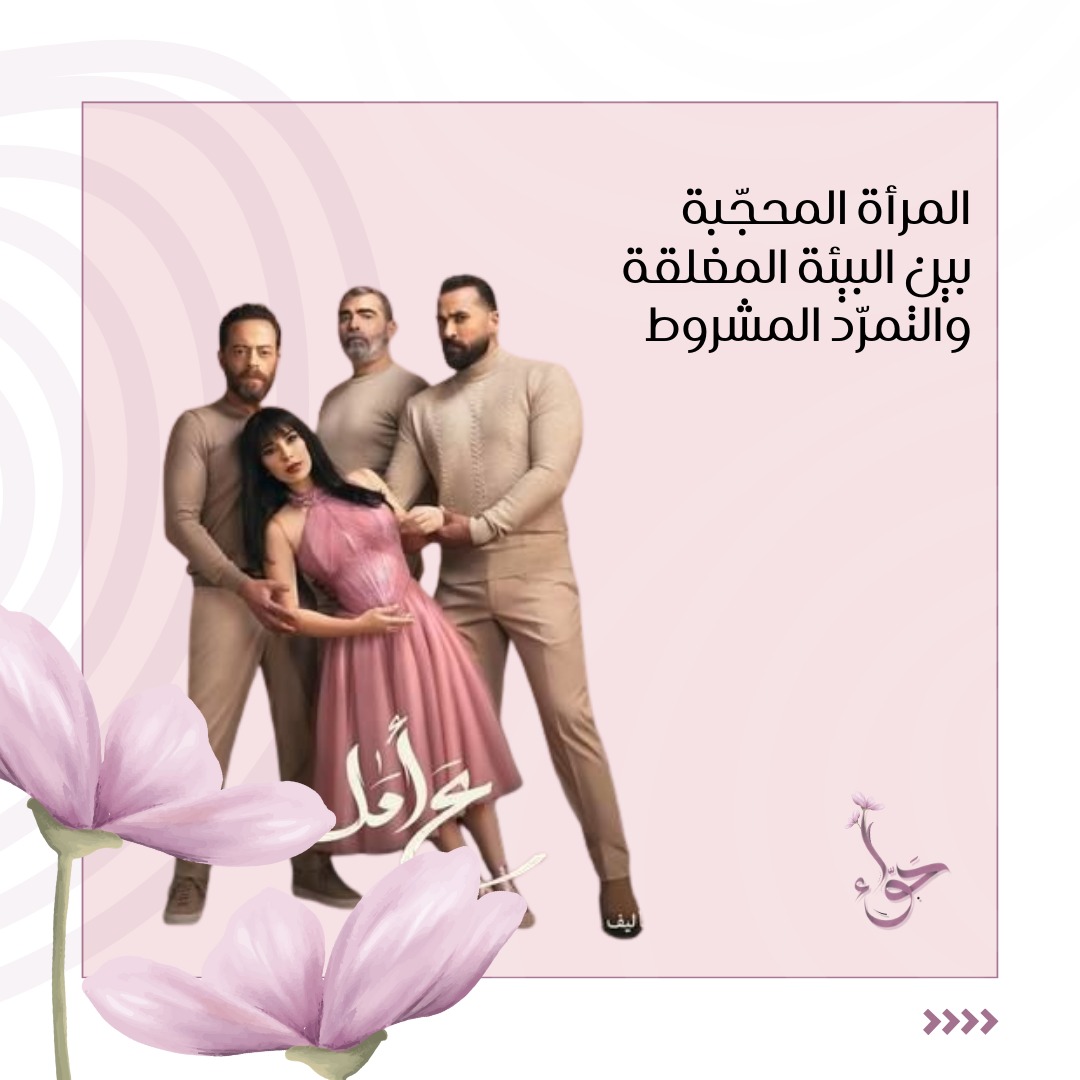
مسلسل ع أمل
Series '2020': No More Than a Social Background
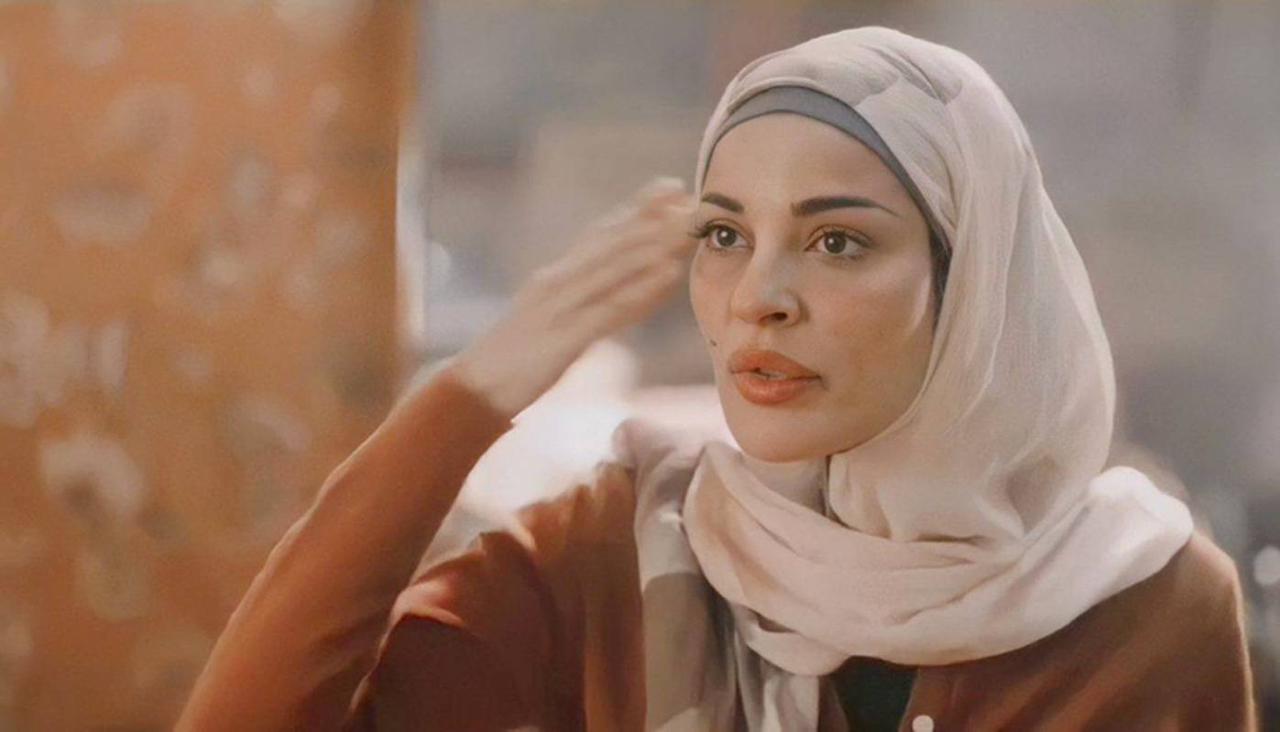
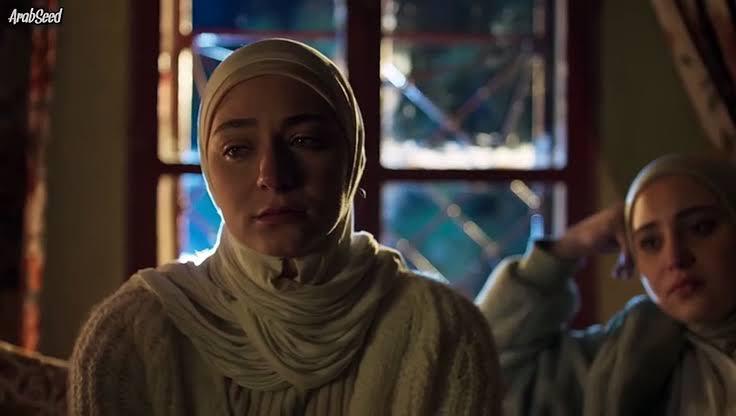
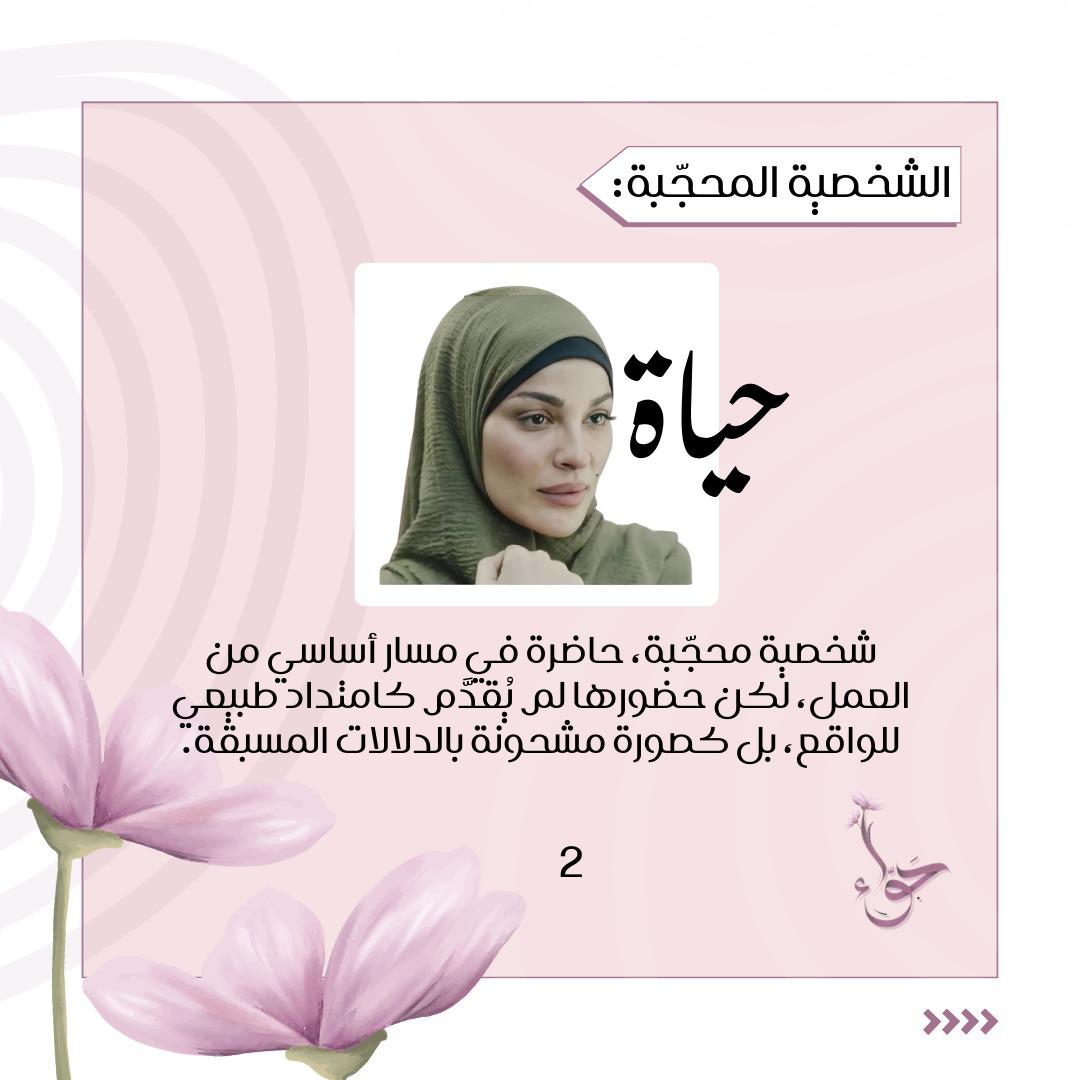
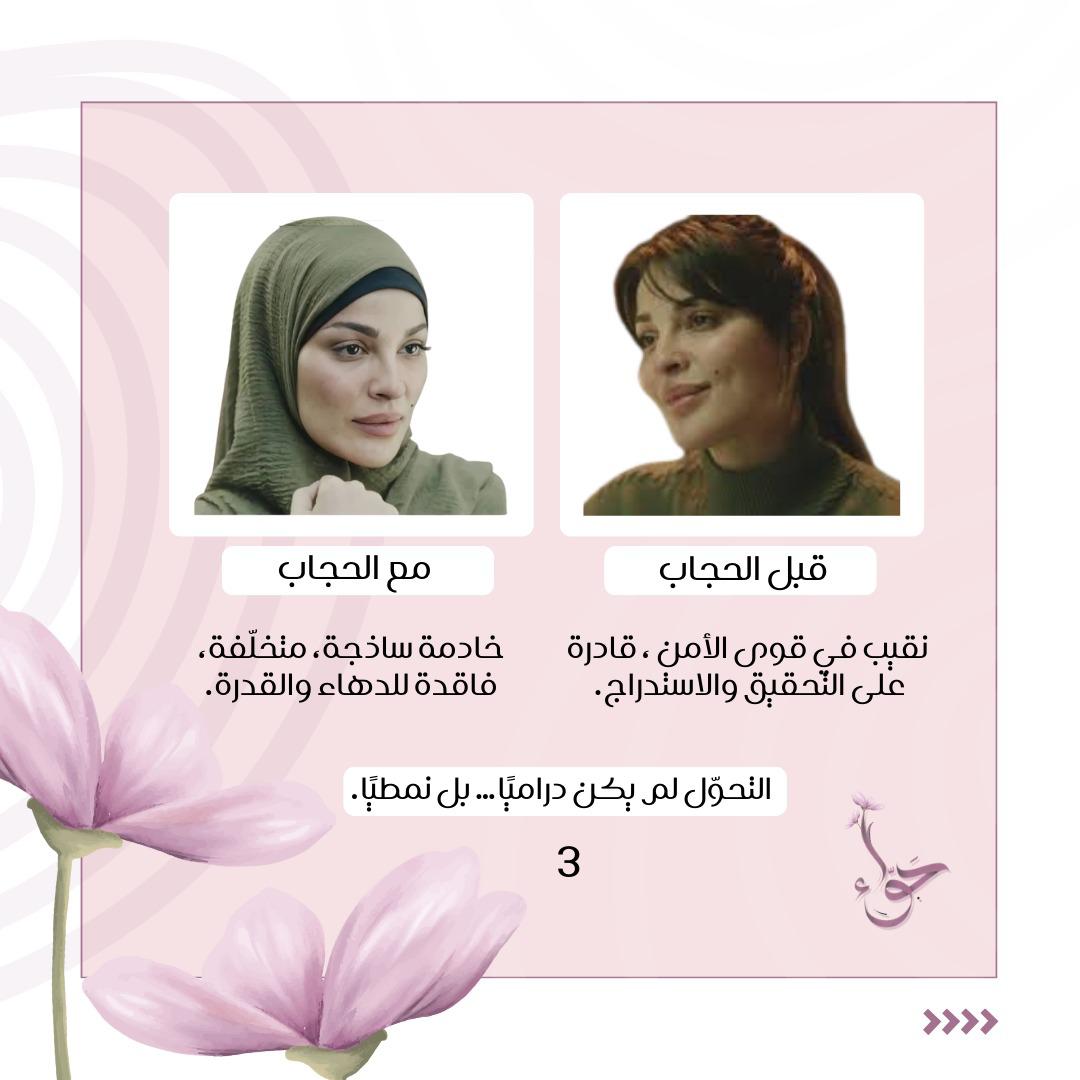
In the series 2020, the veiled woman appears as part of the social fabric and an important element of the story, serving as a fundamental requirement within a specific environment to assist the writer's narrative. However, her presence is not as an independent entity, but rather as a supporting element or a social backdrop used to reinforce the image of a particular setting.
Consequently, the hijab is not presented as a personal choice or a natural part of societal diversity. Instead, it serves as a visual cue loaded with ready-made connotations and symbols: religiosity, insularity, or submission to customs and traditions. Rather than granting space to this woman as a representative of a broad segment of Lebanese society living a normal life, she is reduced to a single recurring story and a single ending, leaving her movements restricted within the text.
Sample Title
Sample Text
Sample Title
Sample Text
Sample Title
Sample Text
"A' Amal": Rebelling Against Constraint by Removing the Hijab
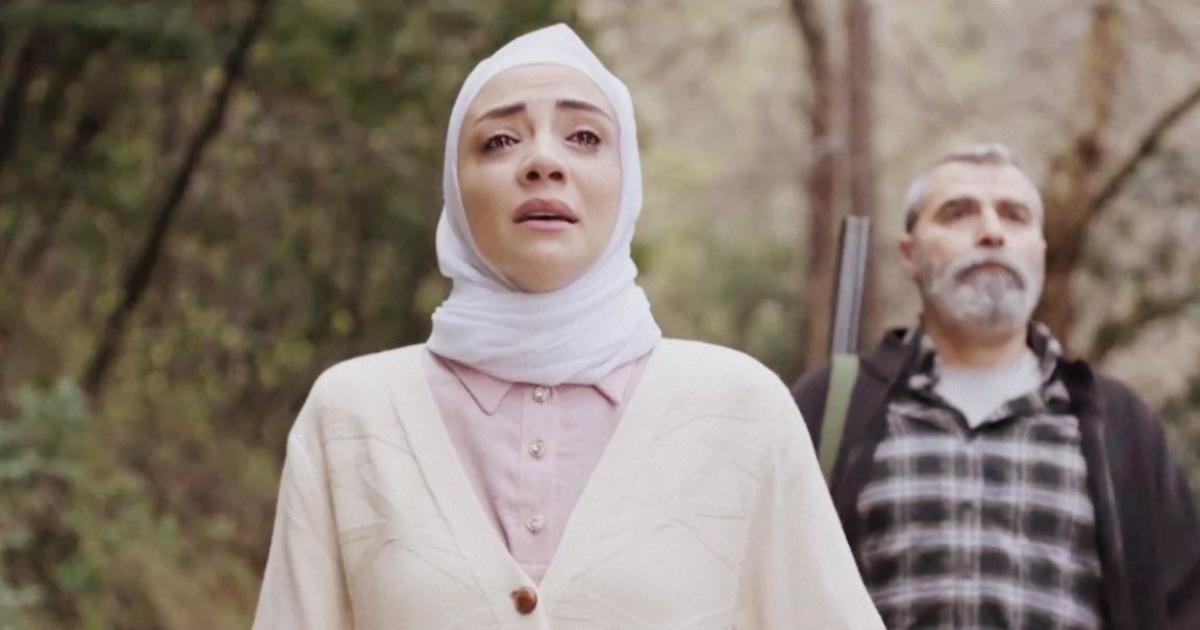
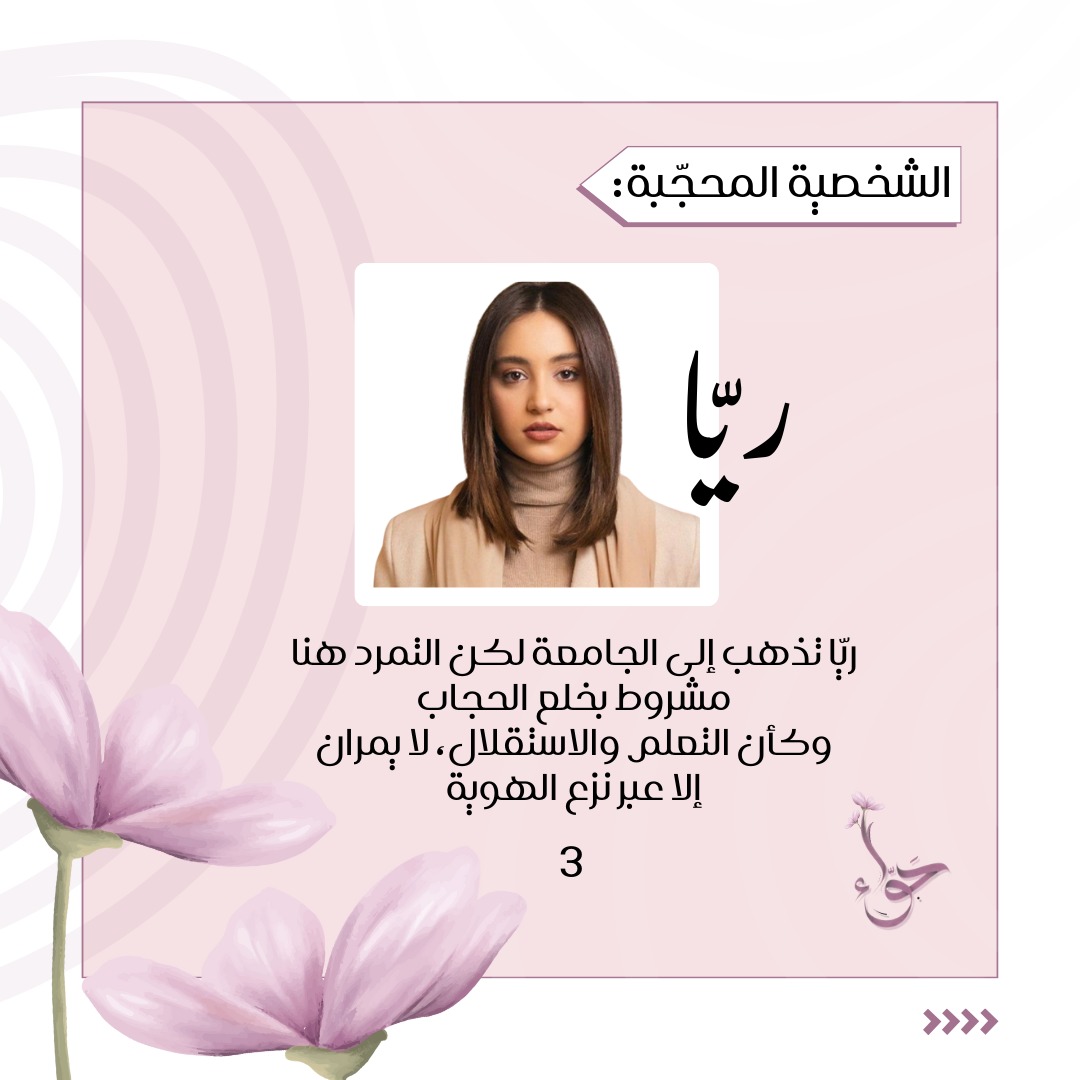
This serves as a clear signal of liberation from the village's constraints and the injustice and violence women suffer there. Conversely, "Raya" chooses her freedom—conditional upon "removing the hijab"—when she reaches the university, rather than exercising her right to education without the hijab being addressed as an obstacle or a constraint. From this perspective, the question arises: Why is education linked to removal? And why is the hijab presented as a structural barrier to knowledge, as if veiled women do not attend universities or hold active positions in society?
In the town of "Kfar Helm," all women are veiled, and all suffer from oppression, violence, and the inability to make decisions, with their lives confined within the walls of the home. From this reality, the character "Raya" emerges as an exception. A girl who chooses education, she goes to university in secret and removes her hijab upon arriving in Beirut.
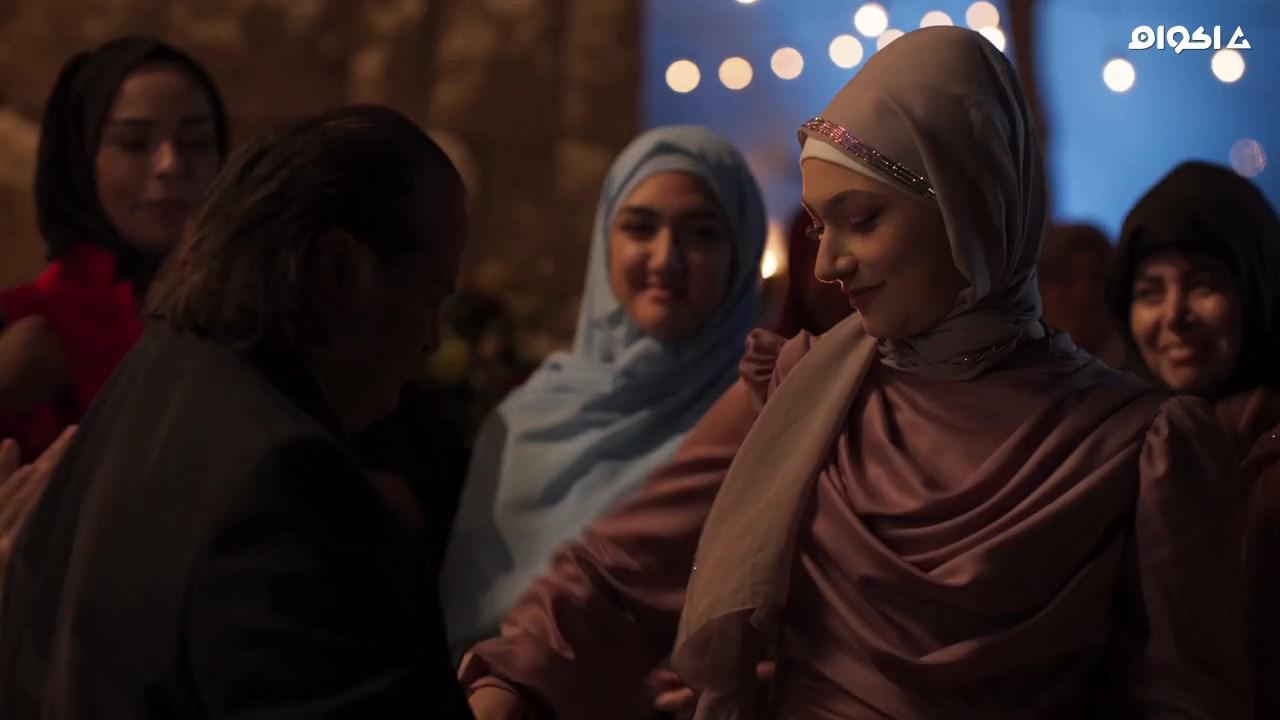
While the woman in 2020 is presented through a shy and restricted appearance, the series A' Amal takes on different dimensions with profound meanings, building an entire narrative around women but within a more distinct and sharp stereotypical framework. The work confines its events to a closed southern environment, presented with a single accent, uniform customs, and a social system based on an excess of patriarchal power.
"From this perspective, the question arises: Why is education linked to the removal of the hijab? And why is the hijab presented as a structural barrier to knowledge—as if veiled women do not attend universities or hold active positions in society?"
Sample Title
Sample Text
Sample Title
Sample Text
Sample Title
Sample Text
Between the Two Works: Difference in Form, Unity in Meaning
In both cases, the hijab transforms from a personal choice into a heavy symbol, and from an individual practice into a sign summoned for dramatic necessity. When this model is repeated frequently, the viewer no longer sees the woman; they see only the symbol
Despite the outward differences between 2020 and A' Amal, both works converge at a single point: the veiled woman is not the center of the story, but its subject. She is used to deliver a message or embody a crisis, but is rarely granted the right to define herself.
These narratives intersect with the insights of Dr. Ali Makki regarding the media's role in "manufacturing models" rather than reflecting reality as it is. When the media repeats a single image, it does not reflect society; rather, it proposes a specific way for society to understand itself. The problem does not lie in the presence of the veiled woman in Lebanese drama, but in the space granted to her and the roles she is offered. Whether portrayed by a non-veiled actress or through a repetitive stereotype—depicted as weak, fragile, and finding no path forward except through "liberating" herself from this "cover"—the hijab eventually becomes the title of the character rather than just a part of her.
According to actress Malak Bazzi, women remain confined to roles that reproduce the same image: a woman suffering and seeking salvation, where her liberation is portrayed as a separation from her hijab rather than from the actual constraints faced by any woman in society, regardless of her attire."The issue cannot be limited to a woman's acting ability, but to a more fundamental question: To what extent do these scripts resemble the reality of Lebanese society? In a diverse country like Lebanon, where veiled women play active professional and artistic roles that cannot be ignored, drama seems to be writing about another society that does not resemble its people." — Malak Bazzi
ملاك بزّي - ممثلة ومديرة إنتاج
واقع النّصوص في الدّراما اللّبنانية
"Bazzi invokes Iranian drama as an example of presenting the veiled woman as a complete human being, appearing in complex, powerful, and diverse roles that are not reduced to a single part or a solitary image. While a man is granted the space to hide behind his character, a woman is categorized from the very first moment, placed into a specific box before her thoughts are even heard or understood. This visual discrimination does not reflect reality; rather, it reproduces prejudices that become entrenched through repetition, turning into a lingering memory in the viewer's mind about a woman who chose to be veiled in reality, yet appears shackled by it on the screen."
ملاك بزّي - ممثلة ومديرة إنتاج
التّنميط في واقع الدّراما اللّبنانيّة
"As for the role of the media, Bazzi believes that it does not merely reflect the image, but sometimes reproduces it or, at other times, distorts it. The media, as she puts it, is: 'capable of conveying a certain truth to the world or completely obliterating it. If the Lebanese person himself is unable to present his image to the world as it truly is, how can he confront or resist the ready-made images imposed globally?'"
ملاك بزّي - ممثلة ومديرة إنتاج
دور الإعلام في صناعة الصّورة
"On the other hand, actress Sara Kassir presents a different perspective and 'face' of exclusion. As she explains: if we are to look at what is being presented with 'good intentions,' the marginalization of the veiled woman is not always due to an exclusionary intent as much as it is a genuine ignorance of her artistic capabilities and what she is truly capable of delivering."
"However, this ignorance quickly intersects with the logic of the commercial market, which often prefers choosing a non-veiled woman for purely marketing reasons. These reasons are linked to a commercial view of the body as a tool to attract a larger audience and higher viewership."
الدكتورة سارة قصير - ممثلة ومدربة تمثيل
إقصاء المرأة المحجّبة عن مختلف الأدوار البطوليّة
"In this context, social media platforms play a pivotal and remarkable role. Kassir says: 'If it weren't for these platforms, veiled women wouldn't have had this space to showcase their acting talents away from the authority of producers and funding. It has allowed Lebanese society—known for its multi-sectarian nature and often closed-off circles—to see the "other" up close.'"
الدكتورة سارة قصير - ممثلة ومدربة تمثيل
دور منصّات التّوتصل بالتّمثيل الذّاتي
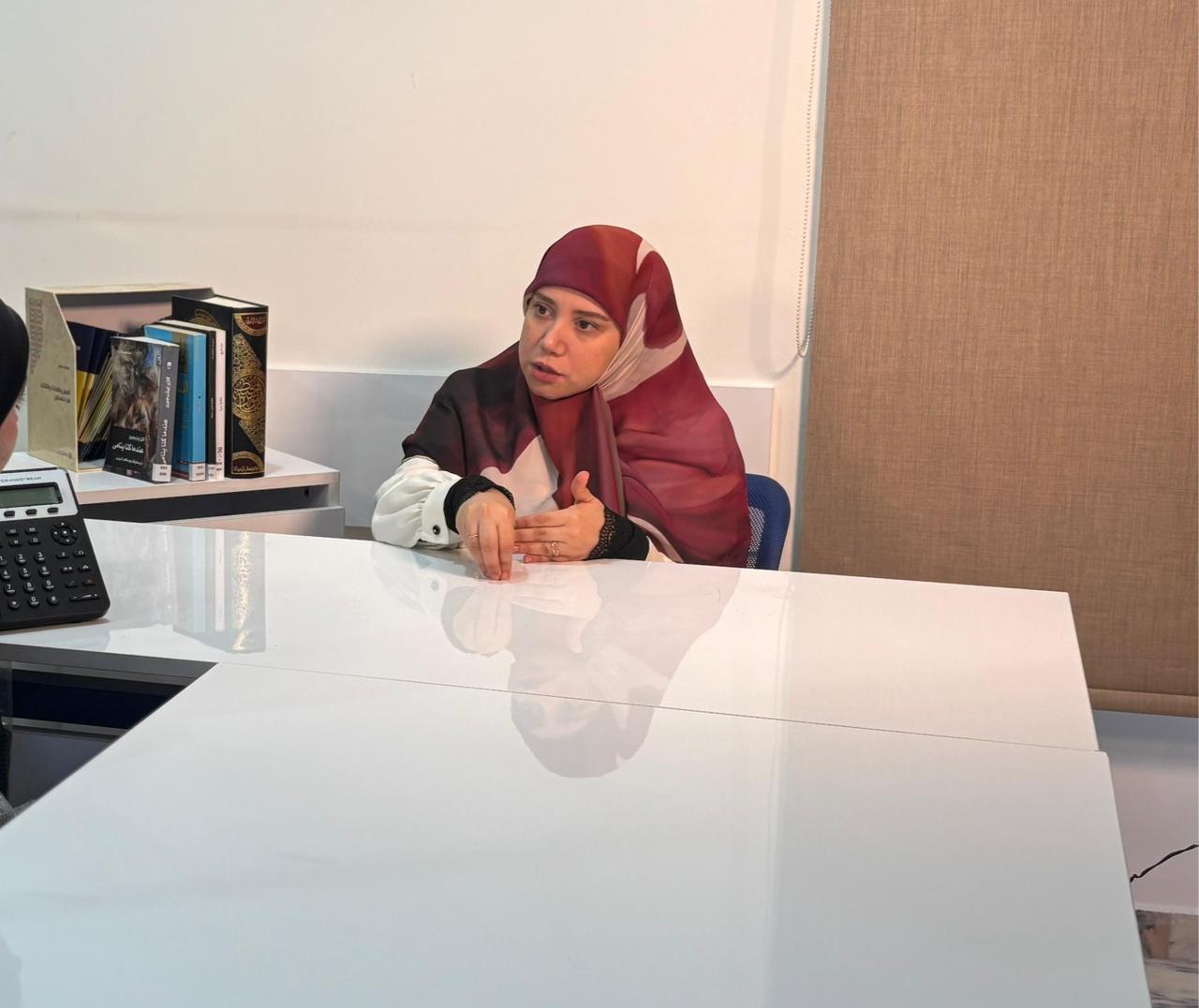
"The director believes that this 'image of the oppressed woman' presented to the public does indeed exist in Lebanese reality; however, the most important thing is not to highlight it in every work or role written or granted to her.Kheireddine emphasized that the real difference lies in how others view the woman, regardless of whether she is veiled or not. She asserts that the priority is seeing her as a human being. Having experienced various situations herself alongside other women, she stresses the importance of ensuring that a woman is treated as a person rather than a 'veil.' She believes this is not difficult to achieve, provided that her hijab does not become a barrier between her and others."
"According to actress Malak Bazzi, women remain confined to roles that reproduce the same image: a woman suffering and seeking salvation, where her liberation is portrayed as a separation from her hijab, rather than from the actual constraints that any woman in society might face, whether she wears the hijab or not.Bazzi states that the problem cannot be limited to a woman's acting ability, but rather to a more fundamental question: To what extent do these scripts resemble the reality of Lebanese society? In a diverse country like Lebanon, where veiled women lead active professional and artistic lives that cannot be ignored or confined, drama appears as if it is writing about another society that does not resemble its own people."
ريان خير الدين- مخرجة مسرحية
التّعامل من مبدأ إنسانيّ و ليس مبدأ ديني
"However, when the image transcends the boundaries of the screen and goes beyond the viewer's immediate reaction, it turns into a psychological impact that contributes to the construction and formation of women's personal identity. From this perspective, psychological counselor Fatima Noureddine states that both media and social media play a significant role in shaping identity and self-image for both men and women, and particularly for women. Even if these images appear as 'acting' or 'drama,' they gradually seep from the subconscious into the conscious mind, turning over time into standards by which individuals measure themselves.Noureddine points out that girls, more than males, are affected by what is displayed on the screen, whether by imitating these images or by attempting to break them as a contrary reaction."
"While some women, through maturity and awareness, succeed in building an identity less influenced by these portrayals, the impact remains high for the majority, even if indirectly.In Lebanese drama, this psychological impact is reinforced through a single narrative that presents the veiled woman as abused, submissive, or 'overpowered,' keeping her captive within roles of weakness and oppression. As this image is repeated, some individuals begin to identify with it—not as a dramatic choice, but as a social reality.In contrast, social media has provided the 'alternative,' allowing for the emergence of new and different models unlike those viewers are accustomed to seeing in drama. These are models that do not need 'permission' to be present or to define a self that truly resembles them; they craft their own discourse outside of previously written scripts, preserved to be presented in an 'extraordinary' scene on the screen."
"Psychologically, Noureddine explains that the media does not operate in isolation from other influences—such as family, school, and social traditions. However, it remains a central and pivotal element due to the messages it carries, which shape the self over time. These messages influence an individual’s consciousness, their choices, and their judgment of others, even when they believe they are unaffected.While representative justice is absent in traditional drama, social media platforms throw their doors open to women regardless of their religious or cultural identity. These platforms grant them the right to visibility and self-representation, allowing them to assert themselves not because they were 'granted' a role, but because they were not 'prevented' from it."
"At this point, the question is no longer confined to 'How is the veiled woman portrayed?' but rather 'What does this image do to women themselves?'The repetitive image does not only create public opinion; it contributes to shaping a woman’s view of herself, her boundaries, and what she is permitted to be or to dream of. Here, representation becomes a psychological act as much as a media act, and drama transforms from a narrative space into a tool of profound influence in the construction of identity."
بودكاست فاطمة نور الدّين مرشدة اجتماعيّة
التّأثير النّفسي للصّورة النّمطية للمرأة المحجبة على الفتيات المحجّبات